A clean Title Deed is not a guarantee
The clients had chosen their house: a large plot, five bedrooms, a sensible price, a convenient location. The Title Deed was in order — the property was registered, with no encumbrances and no notes against it. They paid a 30% deposit and the lawyers began preparing the contract of sale for signature. What followed is exactly why due diligence matters before buying property in Cyprus.
The lawyer we had recommended insisted on a full technical inspection before the contract was signed — a comparison of the building as it actually stood against the plan registered with the Department of Lands and Surveys (DLS). On paper the property looked so clean that the inspection might have seemed a formality. It was the inspection that changed everything.
What the independent surveyor found
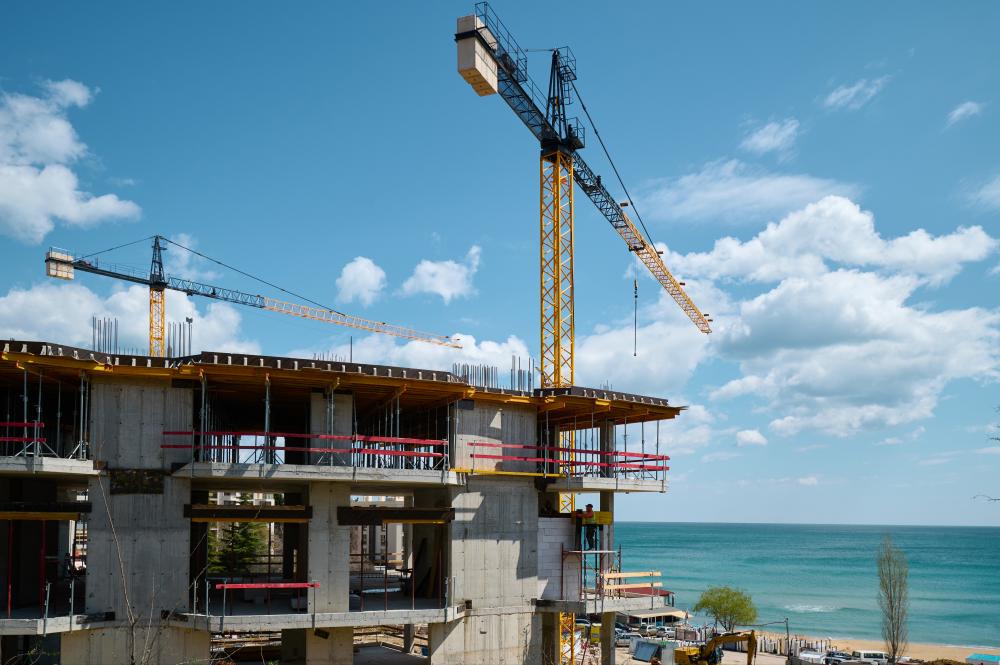
A surveyor, a licensed building inspection professional, found what was visible neither in the title nor on an ordinary walk-through: the previous owners had removed part of the load-bearing structure shown on the official DLS plan. According to the documents, those elements should have been there. In fact they were not.
This is not a discrepancy in square metres or a question of finishes. Load-bearing elements physically hold the building up, and their absence is a risk to the structural integrity of the whole house, a risk no buyer will spot simply by walking through a recent refurbishment.
Without that inspection, the clients would have signed a contract for a house that physically lacks what its title says is there, and would have discovered it when trying to sell, at the point the next buyer commissioned their own survey. We stopped the process, withdrew from the deal before the contract was signed and returned the deposit in full. How the transaction is supported at other stages is covered in our article on why a property broker remains indispensable when buying a new property in Cyprus.
What Cypriot law says
The legality of construction is governed by the Streets and Buildings Regulation Law, Cap. 96. Where the competent authority records an infringement, a Certificate of Unauthorised Works is issued.
The Immovable Property (Tenure, Registration and Valuation) Law, Cap. 224 then comes into play: the Land Registry enters a restriction on voluntary transfer against the title. An owner whose property carries that note can neither sell it nor mortgage it — the property becomes illiquid while ownership formally remains intact. Importantly, the certificate is issued following an inspection rather than automatically, so a clean title does not mean the building matches the registered plan.
Amnesties exist, but they are not a fallback plan
The problem is widespread enough that the state periodically announces amnesties:
Two conclusions follow. First, there may simply be no amnesty in force on the date of your transaction. Second, schemes of this kind are designed for minor deviations — an enclosed veranda, a pergola, an excess building coefficient not for missing load-bearing structure.
How common is this?
According to an industry review by Investropa, some 25–30% of buyers in Cyprus encounter unauthorised alterations, structural defects or planning infringements after completing a purchase. That is a market estimate rather than official statistics, but it matches our own experience: the technical inspection is either not carried out at all, or carried out too late.
What proper due diligence covers
On the resale market this is critical: the property has lived a life across several owners and refurbishments. None of these steps can be completed remotely from a listing description or a set of photographs. The advantages and risks of that segment are set out in our article on why Cyprus and resale real estate.
How the case ended
The clients' real priority was never that particular house but tax residency, a large plot and enough bedrooms for the family. Another property met those conditions: we sourced a new house and the relationship continued without any loss of time or money.
A good transaction in Cyprus rarely ends at the moment the client says "I'll take it". The broker's work begins there — at reservation, contract preparation and the checks that come before signature.
If you are considering houses and villas in Cyprus, or have already chosen a property, book a free consultation. We will go through what to check before buying property in Cyprus in your specific case, and structure the transaction from start to finish.
Cyprus Sotheby's International Realty is a licensed estate agency. ConceptRealty Ltd, Reg. No 1013, License No 517/E.
Sources: The Streets and Buildings Regulation Law, Cap. 96; The Immovable Property (Tenure, Registration and Valuation) Law, Cap. 224; Laws 53(I)/2021 and 54(I)/2021; Ministry of the Interior data on the Urban Planning Amnesty Scheme; Cyprus Property News; industry review by Investropa; Department of Lands and Surveys (DLS).
Author: Dina May, journalist

 Russian
 German
 Hebrew
 Greek
Greek French
 Italian
 Spanish
 Arabic
 Serbian






Get Free Consultation